

Discount Pellet Stoves
When it comes to the addition of heating, pellet stoves are regarded as the most affordable option. They are based on low-cost, renewable fuels and make a conscious nod to sustainability.
These eco-friendly appliances still require electricity to operate their automated features, like pellet feeders and fan. Therefore, power outages could cause disruption to their functions. Find out more about their limitations to make sure they are the best choice for your home.
Cost-friendly champions
Pellet stoves are an excellent option for homeowners looking to lower their heating bills without giving up warmth. Modern heating appliances make use of renewable biomass fuel to generate heat and are efficient in energy use. These modern heating appliances offer many programable features, including operating schedules and lighting controls. Some have automated pellet feeding systems, making them easy to maintain and use. Some of them use smart home technology that allows the control of these systems via smartphones and voice commands such as Amazon Alexa.
They are not only efficient in terms of cost, but they also help preserve natural resources. Many models are certified by the EPA and utilize biomass fuels that are sourced from sustainable forests. This means they generate fewer emissions and reduce carbon footprints, aligning with green energy initiatives. They also employ zones of heating to warm the areas of the house which are used the most often. This can save you money on energy and reduce the risk of mold and pests.
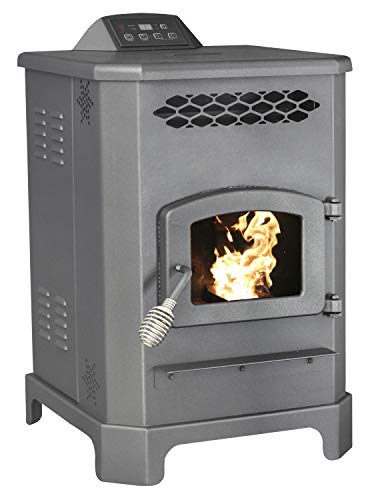
While pellet stoves are a great option for the environmentally conscious, they do have some disadvantages. Some are noisy and require power for fans and pellet feeding mechanisms. In addition they can be costly to run. You should consider the long-term expense and upfront costs prior to investing in one.
You could qualify for tax credits based on your location and climate. You can find out more about these programs by checking out the IRS's website. In addition you can subscribe to newsletters of organizations like the Hearth, Patio & Barbecue Association. You can also visit DSIRE to find state incentives for renewables or efficiency.
pellet stove insert of getting the best price on a pellet stove is to buy one during the summer. It's a time when pellet stoves are not in demand, which allows retailers to sell them at a discount. You may also be able to find a model that's on sale that matches your needs. You could also save money on installation.
Stable energy supply
In terms of reducing heating costs pellet stoves provide an affordable alternative to fossil fuels. They use renewable biomass fuel - wood chips, sawdust compressed, bark and agricultural crop waste - turning material that would otherwise be sent to landfills into energy. Because the resulting fuel is cost stable homeowners are able to save money on heating costs during winter. Our EPA-certified appliances aid in reducing greenhouse gas emissions by using less fuel to produce the exact same amount of warmth. They are a green option for heating your home.
Most pellet stoves can be used to supplement existing central furnaces. They can be an additional source of heat for the most used rooms in a house and can reduce operating costs when compared to traditional wood stoves. A lot of these models feature direct venting which means that they do not require chimneys or a venting system. This lowers the cost of installation.
Pellet stoves are also reliable sources of warmth, regardless of the weather outside. The thermostatic controls modulate the rate of fire automatically, ensuring a set temperature within the room, which means you won't have to switch the flames off and on constantly. They produce less emissions particles than other kinds of oil or wood stoves.
The purchase of pellets in bulk is a great way to reduce the overall cost per gallon and allow consumers to get even more savings. The fuel is renewable, so it's not affected by global events or political issues that might affect other fossil fuels, such as heating oil and propane.
Pellet stoves can be eligible for a tax credit by the US government because of their long-term viability. We offer a variety of pellet stoves that are tax-credit certified to suit any budget.
It's important to keep in mind that these stoves require electricity, so make sure you have an outlet by. It's also a good idea to consider a battery backup system to ensure you'll be warm during a power outage.
Affordability
If you're looking for a reliable alternative to heating, a pellet stove might be the best choice. These appliances heat with compressed biomass fuels and are easy to maintain and operate. A majority of these appliances come with a variety of features including digital controls, low- and high-heat settings and automatic feed mechanisms. They can even burn a variety of different kinds of pellets, including soybeans, corn olive pits, soy beans, and more. The best rated pellet stoves are also efficient in converting the majority of their fuel into energy, and providing lower heating costs than other kinds of stoves.
Pellet stoves do not require chimneys, unlike wood or gas stoves. They can be vented directly through a wall and be installed in existing fireplaces. They can be fueled with wood pellets or propane to provide back-up. This is ideal for homes that do not have access to natural gas. Propane stoves are more expensive than pellet stoves and require regular refilling.
While these stoves may save you money in the long run, they're not the most eco-friendly option to other heating options. These stoves produce carbon dioxide that is dragged up the chimney. They also release other gases. Certain chemicals could be harmful to humans, and some could even harm the environment.
These stoves also have the disadvantage of requiring electricity to operate certain internal components, such as the pellet feeder and fan. If there is an outage in power the stoves won't function and you will need to find a new source of heating. It's important to have a backup plan for heating in place, particularly when you live in a region that experiences frequent power outages.
Sustainability
Pellet stoves are the ideal option for those trying to reduce their carbon footprint. These stoves make use of the renewable fuel of recycled wood. They also emit a minimal amount of air particles, making them a green alternative to traditional wood stoves and natural gas heating systems.
Pellet stoves also have a higher efficiency in energy use which means they convert the majority of fuel into heat, and thus reduce the energy cost. They employ electric augers to feed pellets into the combustion chamber, which ensures that they burn at the right speed to ensure maximum efficiency. This technology allows pellets stoves to maintain an even temperature throughout the house, making them a great alternative for homes with difficult-to-heat areas.
The EPA has rated some of the most efficient pellet stoves on the market, like the Harman Absolute 43. These stoves can produce rates as low as 0.99 grams of emissions per hour. The low emissions are made possible by their high efficiency, fuel density and automated controls. These stoves are also easy to use. Although they require electricity to run their fans as well as feed pellets, their consumption is low compared to that of other household appliances. They also have manual ignition and battery backup systems in the event of power outages.
A pellet stove is an eco sustainable option since it makes use of renewable biofuels. These fuels are produced from sawdust that has been compressed and other plant-derived substances like bark, wood chips and wood chips. These materials would be thrown away in the waste bins if not used for pellets. Moreover, these materials are harvested without the need to cut trees which makes them an eco friendly choice to heat.
Furthermore, wood pellets are cheaper than other heating fuels and can save you money over the course of time. This Old House claims that you can anticipate to recover the initial cost of your pellet stove in three years, if you make long-term savings. Additionally wood pellets are exempt from Carbon Tax, further reducing the cost of heating.